The 15-Day Florida Security Deposit Deadline Most Tenants Miss
Florida law gives tenants 15 days to object to a landlord's security-deposit deduction. Miss the window and the landlord can keep the money. Most tenants never object.
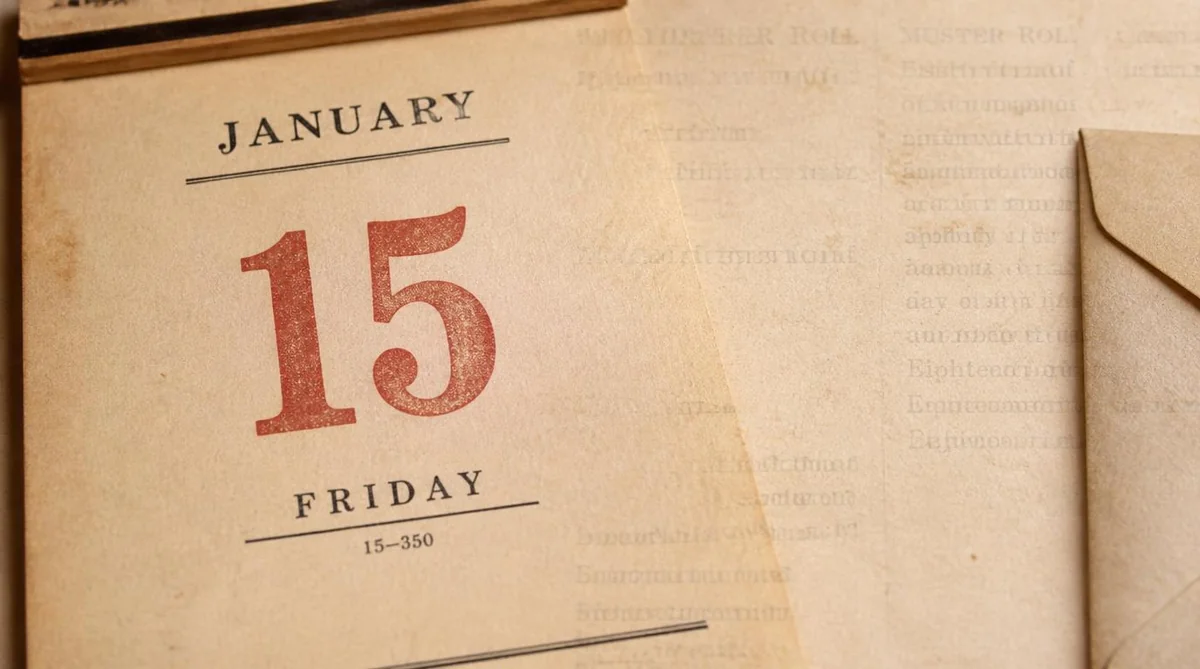
Florida tenants who get a deduction notice from their landlord have exactly 15 days to object in writing. Miss that window and the landlord can legally keep the money. Most tenants never send a written objection at all.
The law that governs this is Florida Statute § 83.49, part of the Florida Residential Landlord and Tenant Act. The statute lays out specific deadlines and a specific objection process. It also requires landlords to include a warning in the deduction notice itself, in all caps: "IF YOU FAIL TO TIMELY OBJECT TO A CLAIM, THE LANDLORD MAY COLLECT FROM THE DEPOSIT."
How much money is usually at stake
Security-deposit disputes in Florida typically run from a few hundred dollars to a few thousand. Common deductions include cleaning fees, repainting, carpet replacement, unpaid rent, broken fixtures, and trash removal. Florida's two-month-rent deposit cap means most disputed amounts fall in the $500 to $4,000 range.
The reason most tenants do not fight back is the math. Hiring a lawyer costs more than the disputed amount in most cases. So the deduction notice arrives, the tenant feels it is unfair, and nothing happens. Fifteen days pass. The landlord gets to keep the money.
What the statute actually requires
For the landlord, Florida Statute § 83.49 sets out two deadlines after the rental agreement ends:
- If the landlord does not intend to keep any of the deposit, the full amount must be returned within 15 days.
- If the landlord wants to keep all or part of the deposit, they must send written notice by certified mail or by e-mail within 30 days. The notice must state the specific reason for the claim and include the statutory warning language.
For the tenant, the clock starts on the day the claim notice arrives. From that day, the tenant has 15 days to object in writing. The objection must go to the landlord or the landlord's agent at the address listed in the claim notice.
The safest way to send the objection is by certified mail with return receipt requested. E-mail works only if the landlord used e-mail for the original notice (the 2025 statute added that option). Whatever method the tenant chooses, the goal is to create a paper trail that proves the objection went out within 15 days.
What the law lets the tenant do even if the deadline passes
This is the part most tenants do not know. Even if the 15-day deadline passes and the landlord legally collects the deposit, the tenant still has the right to file a lawsuit later seeking a refund.
The statute is explicit: "IF YOU FAIL TO TIMELY OBJECT TO A CLAIM, THE LANDLORD MAY COLLECT FROM THE DEPOSIT, BUT YOU MAY LATER FILE A LAWSUIT CLAIMING A REFUND."
This typically means small claims court, which in Florida handles disputes up to $8,000. Filing fees run about $300. A tenant who has photo documentation of the property's condition at move-out, a copy of the lease, and proof of the deposit amount has a real case even after missing the objection deadline. The catch is that the burden of proof shifts. Once the tenant has missed the objection window, the tenant is the one suing for a refund, not the landlord defending a deduction.
What tenants usually do wrong
The most common mistakes:
- They do not save the landlord's claim notice. Without it, there is no way to prove when the 15-day clock started.
- They call or text the landlord instead of objecting in writing. Florida law requires a written objection. A phone call is not an objection.
- They take no photos before moving out, leaving no evidence to contest the damage claim.
- They do not give the landlord a forwarding address. Notices sent to an old address can still trigger the deadline.
- They assume that missing the 15-day deadline ends the dispute. It does not.
A step-by-step plan
If a deduction notice arrives, the response should be:
- Save the notice and note the exact date it was received.
- Count 15 days from the date of receipt. Mark that deadline.
- Write an objection letter. State which deductions are disputed and why. Reference Florida Statute § 83.49.
- Send the objection by certified mail with return receipt requested. Keep the receipt.
- Ask the landlord, in the same letter, for receipts, invoices, photos, or repair records that support the deduction.
- If the landlord does not respond, or the response is unsatisfactory, file in small claims court. The filing fee is recoverable if the tenant wins.
The 15-day deadline is a trap for tenants who delay. It is also, for tenants who know the rule, the cheapest legal protection available in Florida residential law.
This is general information, not legal advice. If you have a specific situation, consult a licensed attorney in your jurisdiction.